
The Apex of Exterior Design: Understanding the Types of Roof Tiles 🤔🏠
When seeking to maximize a home’s curb appeal, energy efficiency, and sheer longevity, few materials surpass the impact of a tile roof. Choosing from the different types of roof tiles is not just an aesthetic decision; it’s a fundamental investment in your home’s thermal defense and structural future. Tile roofs—whether made of natural stone, clay, or modern composites—are celebrated for their decades-long performance, often lasting three to four times longer than standard asphalt shingles. These materials provide superior durability against the elements and are naturally resistant to fire and pests, offering unmatched peace of mind.
This comprehensive guide breaks down the five essential types of roof tiles available for residential homes. At Imperium Exteriors, we understand the specific performance metrics and structural demands required for Central Texas installations. Selecting the right tile requires careful consideration of its weight, thermal properties, and suitability for the Austin environment. We’ll compare their unique properties, structural demands, and performance metrics, helping you select the perfect material to withstand the Texas climate and maximize your home’s value.
1. The Traditional Luxury: Clay Roof Tiles👑
(Hover/Tap to Expand Photos)
Clay tiles are one of the oldest and most beautiful types of roof tiles, instantly recognizable for their classic, rich terracotta hues and distinctive Spanish or Mediterranean aesthetic.
- Composition: Natural clay is molded and fired in a kiln.
- Pros:
- Extreme Longevity: Can last 75 to 150+ years with proper maintenance.
- Fade-Proof Color: The natural color is baked in and will not fade, often improving aesthetic over time.
- Thermal Barrier: Excellent heat reflector and insulator, making them ideal for hot, dry climates.
- Fireproof: Inherently fire resistant.
- Cons: Heavy Weight (often 800–1,000 lbs per square, requiring structural reinforcement), higher initial cost, and brittle (prone to breaking if walked on improperly).
- Best For: Luxury homes, Spanish/Mediterranean architecture, and homeowners prioritizing unparalleled longevity.
2. The Versatile Performer: Concrete Roof Tiles🪨
(Hover/Tap to Expand Photos)
Concrete tiles are the most affordable and visually flexible of the traditional masonry types of roof tiles.
- Composition: Manufactured from a mixture of sand, cement, and water.
- Pros:
- Affordable: Lower material cost than clay or natural slate.
- Versatile: Can be manufactured and textured to mimic the look of wood shake, natural slate, or barrel clay.
- Durable: High resistance to fire, hail, and high winds. Lifespan of 50 years or more.
- Cons: Heavy Weight (may require structural reinforcement), and its color may require re-coating over time as the material is more porous than clay.
- Best For: Homeowners seeking the aesthetic and durability benefits of tile at a more budget-friendly price point.
3. The Enduring Classic: Natural Slate Tiles🛖
(Hover/Tap to Expand Photos)
Natural slate is the ultimate high-end choice, offering a sophisticated look and a virtually permanent lifespan.
- Composition: Natural metamorphic stone, quarried and split into individual tiles.
- Pros:
- Century-Long Lifespan: Can last 100 to 150 years—a true “lifetime” roof.
- Zero Maintenance: Non-porous, waterproof, and completely resistant to rot, moss, and pests.
- Highest Elegance: Unique, rich color variations that signify luxury.
- Cons: Extremely Heavy Weight (usually requires custom structural reinforcement), Highest Cost, and installation requires highly specialized masonry skills.
- Best For: High-end luxury, historic restorations, and discerning homeowners making a once-in-a-lifetime investment.
4. The Modern Solution: Synthetic/Composite Roof Tiles♻️
(Hover/Tap to Expand Photos)
Synthetic tiles (also called composite) are the future of types of roof tiles, engineered to solve every problem associated with natural materials.
- Composition: Made from a blend of recycled rubber, plastics, and polymers.
- Pros:
- Lightweight: Weigh 75% less than natural slate, eliminating the need for expensive structural reinforcement.
- Class 4 Impact Rated: Highest hail resistance rating, making them ideal for storm-prone regions.
- Low Maintenance: UV-stable, resist fading, and impervious to cracking or splitting.
- Aesthetic Versatility: Flawlessly mimics the look of slate, clay, or cedar shake.
- Cons: Higher initial cost than asphalt, but lower than natural tile.
- Best For: Homeowners who want the high-end look and 50+ year lifespan of tile without the structural weight or extreme cost.
5. Key Structural & Efficiency Considerations🔑🏗️
Choosing the right types of roof tiles relies on these two critical factors:
- Structural Load: Natural slate, clay, and concrete tiles are heavy. If your home was built for lightweight asphalt shingles, you must have a professional structural assessment and reinforcement plan before installation. This step is non-negotiable for safety.
- Heat Resistance: Tile roofs are inherently energy efficient in hot climates (like Texas) because the air space created by the overlapping tiles, combined with the density of the material, acts as a thermal barrier, significantly reducing solar heat transfer to the attic.
Why Imperium Exteriors is Your Tile Roofing Specialist🧰🏆
Installing any of the heavier types of roof tiles requires expertise in both masonry and structural integrity. Imperium Exteriors ensures your investment is flawless, safe, and fully warranted.
- Structural Assessment: We perform a critical evaluation of your existing roof decking and framing to determine the necessary reinforcement before recommending a heavy tile material.
- Climate-Optimized Installation: We specialize in the complex underlayment and flashing systems required for tile roofs, guaranteeing superior moisture protection and thermal performance.
- Premium Material Sourcing: We source and install high-quality clay, concrete, and premium synthetic tiles, ensuring the product is durable, color-fast, and suitable for local climate demands. Our roof replacement company services include asphalt shingle roofs from brands like Malarkey, GAF, and Owens Corning, along with metal shingles from Decra for those customers who never want to worry about their roofs again.
Invest in a Roof That Lasts a Century!💰🕰️
Choosing among the types of roof tiles is a decision for the long haul. By selecting a durable, high-performance material like clay, concrete, or composite slate, you are investing in a roof that maximizes energy efficiency, provides superior storm protection, and dramatically enhances your home’s market value for generations.
Don’t settle for a 30-year roof; invest in a 100-year roof!
Ready to explore the timeless elegance and durability of a tile roof?
🖱️Click Here to Schedule Your Free, No-Obligation Consultation: Our structural experts will assess your roof’s capacity and provide a detailed quote comparing the best types of roof tiles for your home and budget.
☎️Call Us (737) 376-5800
📲Visit Our Website: imperiumexteriors.com to start your ultimate roofing upgrade!
Choose Imperium Exteriors—where structural integrity meets high-end design! 🏆
🪚 Frequently Asked Questions (FAQ): Types of Roof Tiles🪚
Q: What is the main difference in lifespan between clay and concrete roof tiles?
A: Clay roof tiles generally have a longer lifespan, often lasting 75 to 100+ years. Concrete roof tiles typically last 50 years or more but may require more maintenance (like periodic sealing) due to their higher porosity.
Q: Do I need extra structural support for synthetic roof tiles?
A: No. Synthetic roof tiles (composite) are specifically designed to be lightweight (often less than 350 lbs per square), meaning they can usually be installed without any expensive structural reinforcement, unlike natural clay or slate.
Q: Are tile roofs a good choice for hail-prone areas?
A: Tile roofs, particularly concrete and high-quality synthetic tiles, are often highly resistant to hail and carry a high Class 4 impact rating. While an individual tile can crack under extreme impact, the roof system itself provides superior defense compared to asphalt shingles.
Q: Is the initial cost of a tile roof worth the investment?
A: Yes. While the initial cost of tile roofs is high, their longevity (50 to 100+ years) means you avoid multiple asphalt shingle replacements, resulting in a lower total lifetime cost of ownership and a much higher ROI upon resale.
Q: Can tile roofs be installed on any roof pitch?
A: Tile roofs generally require a moderate to steep pitch to ensure proper water runoff. They are not suitable for very low-slope or flat roof applications, which require a membrane system instead.
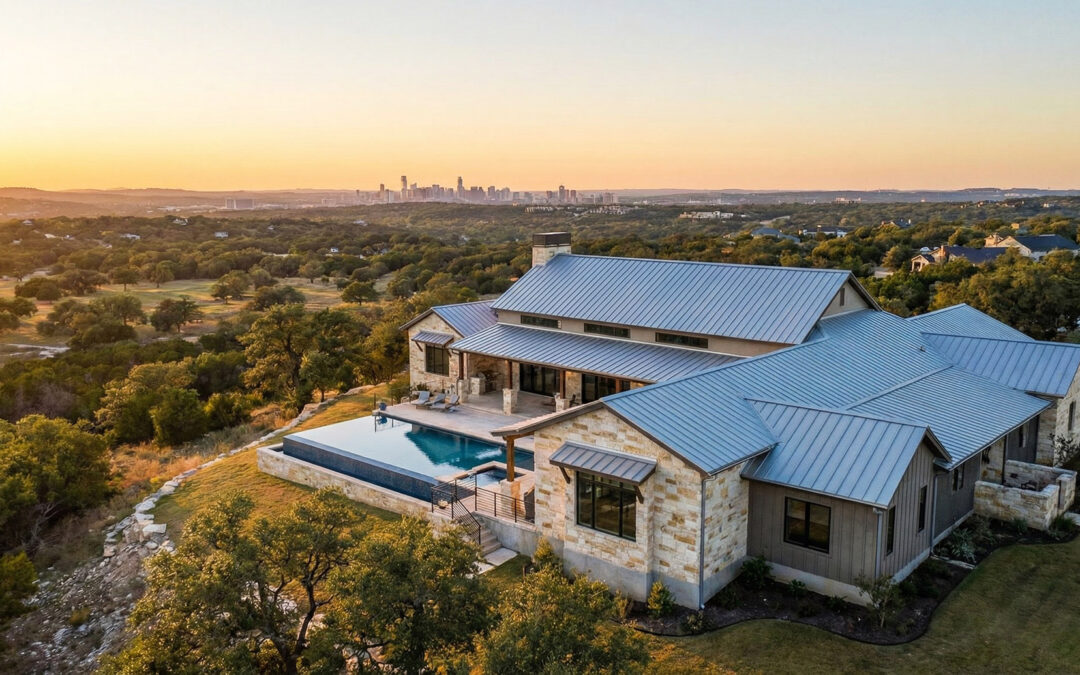
Essential Residential Roofing Services for Austin Homeowners: Securing Your Sancuary in 2026
The Cornerstone of Home Protection and Value 🛡️ Your roof is arguably the single most critical component of your home\'s exterior defense system. It is the first and only barrier shielding your family, interiors, and structural framework from the relentless elements. Choosing the right partner for your residential roofing services…
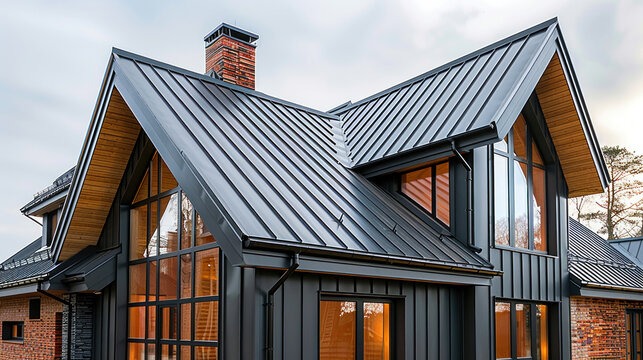
5 Phenomenal Types of Roofs for Your Gorgeous Austin Home’s Elite Durability and ROI🏠🛡️
The Apex of Protection: Why Understanding Types of Roofs is Crucial🤔🚨 Your roof is the single most critical component of your home\'s defense system. It shields your structure from intense sun, heavy rain, and high winds, making the material and style you choose a fundamental investment in your home\'s longevity…
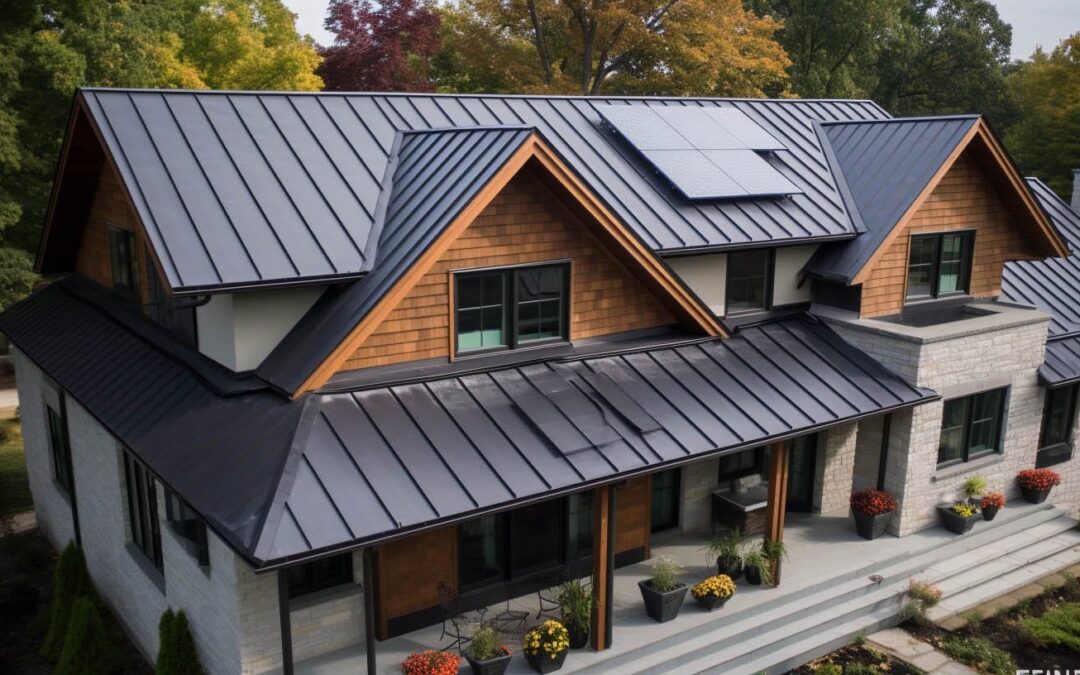
5 Essential Different Types of Roof Materials for Longevity and ROI for Your Austin Oasis💰🛡️
The Apex of Exterior Defense: Why Your Choice of Roofing Material in Austin is Crucial🚨 Your roof is the single most critical component of your home\'s defense system. It shields your structure from intense sun, heavy rain, and high winds, making the material you choose a fundamental investment in your…
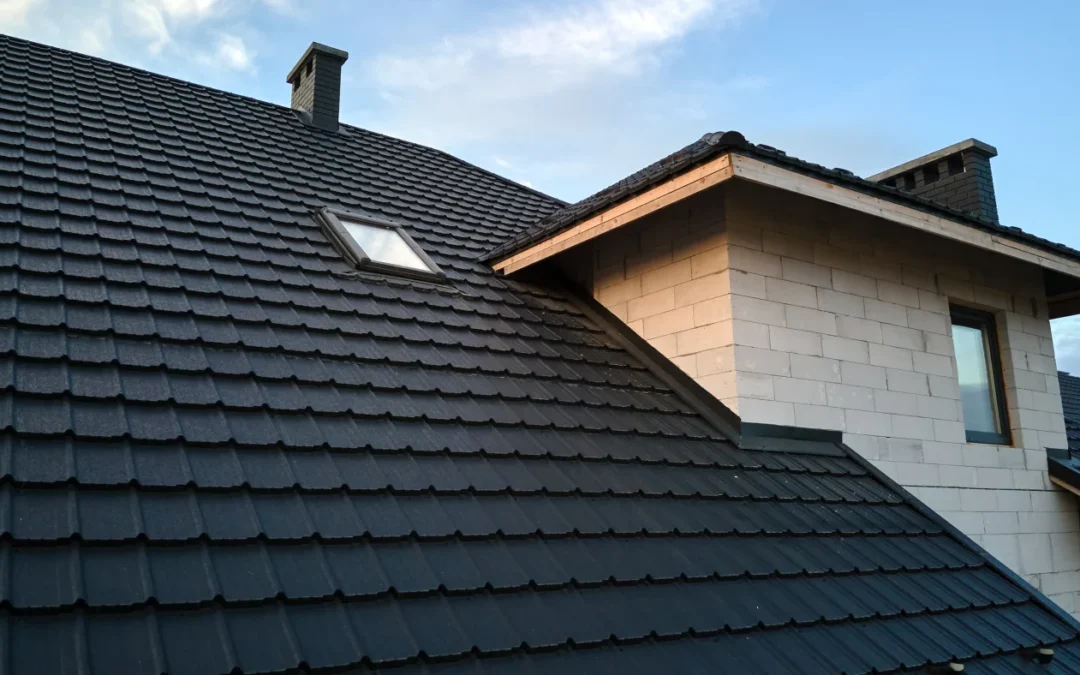
Your Expert Guide to Residential Roof Replacement for Unrivaled Protection, Enhanced Value & Unbeatable Peace of Mind in 2025
Austin Homes, Built to Last🪚🏘️ Your roof is the unwavering guardian of your most significant investment, shielding your family and home from Central Texas\'s unpredictable weather, from relentless sun to powerful storms. Signs of wear, such as cracked shingles, missing granules, or even a sagging appearance, can be the first…
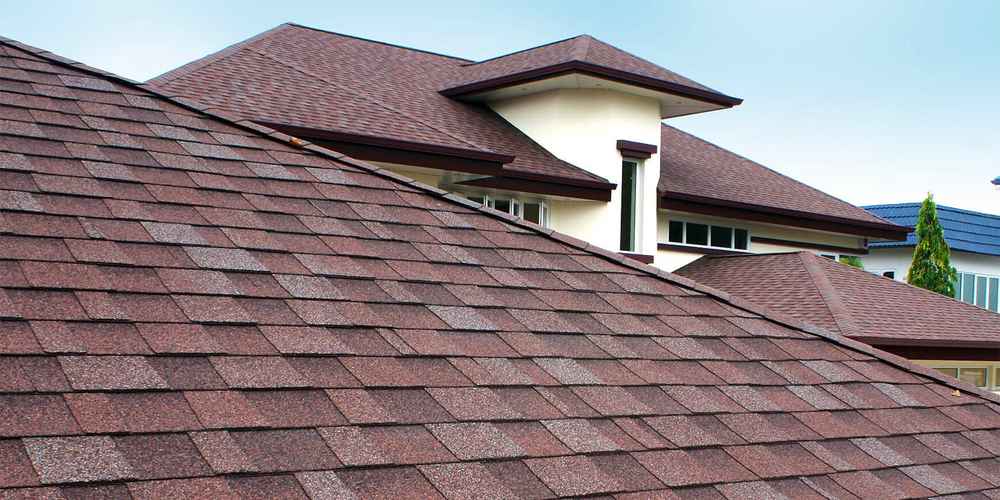
The Art & Science of a Perfect Asphalt Shingle Roof Install for Unrivaled Durability & Lasting Value (2025 Edition)
Austin\'s Ultimate Protector 🦸♂️🏘️ Howdy, Austin and Georgetown homeowners! If you’re a resident of our dynamic Central Texas region, you intimately know that your roof isn\'t just a covering; it\'s your home’s unwavering first line of defense against the relentless onslaught of our unique climate. When it’s time for a…
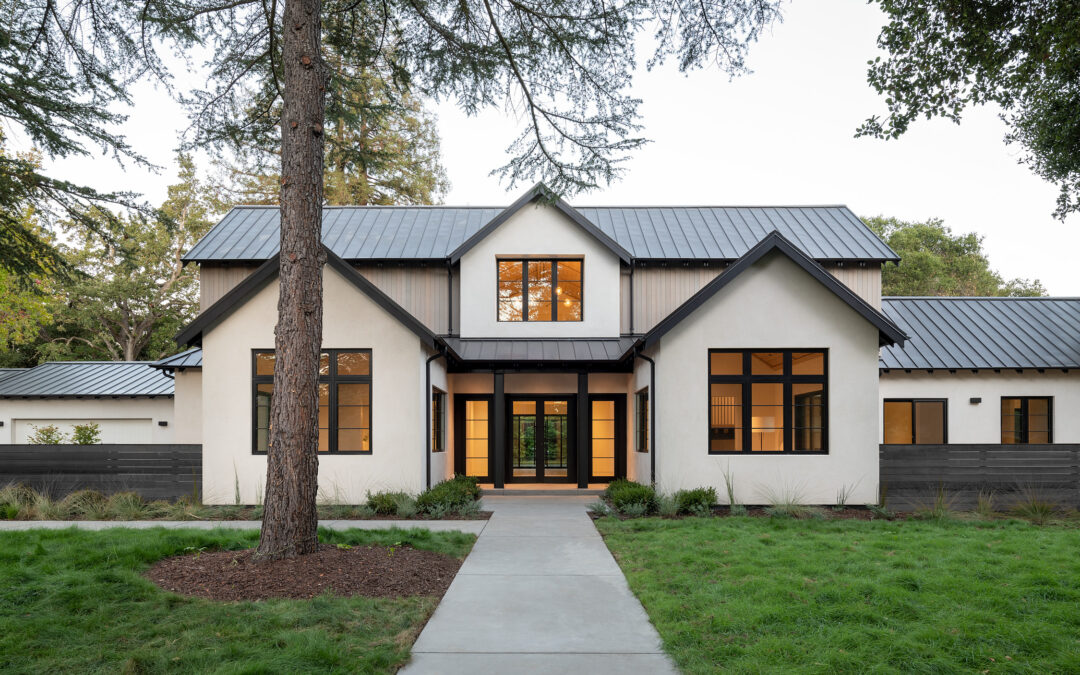
Discover Wise Ways in New Windows and Roofing Reinvent Austin Homes by Slashing Your Bills in 2025
Slash Your Bills with Windows & Roofing🔪📄🏠 What if addressing your windows and roofing together, as a unified project, offered benefits that far exceed the sum of their individual parts? In Austin, our homes are constantly battling the forces of nature: relentless summer sun that bakes exteriors, intense humidity that…
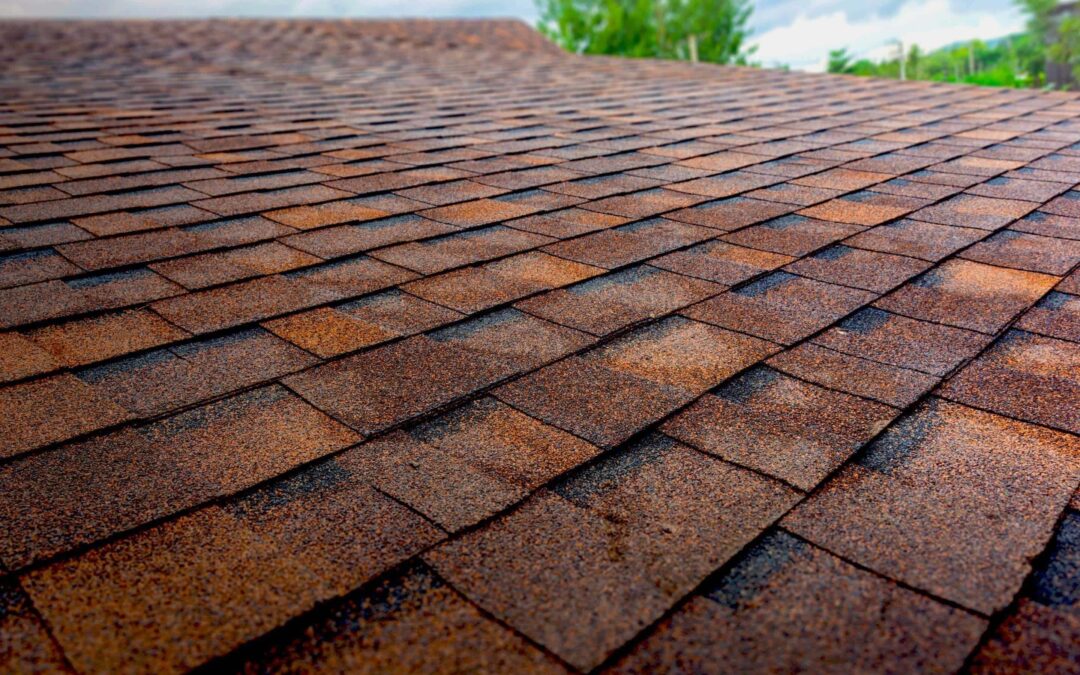
The Art & Science of a Lavish Shingle Roof Install for Lasting Protection & Peace of Mind in 2025
Austin\'s Roof Guardians🏠🛡️ Howdy, Austin and Georgetown homeowners! Your roof is more than just shingles overhead—it’s your home’s first and strongest line of defense against the blazing Central Texas sun, sudden downpours, and those notorious hailstorms. While it’s easy to take your roof for granted until a leak or issue…
Why Imperium Exteriors is Your Top Austin Roof Replacement Crew & 5 Crucial Signs You Need a New Roof
Howdy, Austin and Georgetown homeowners! 👋 Let\'s be real: living in Central Texas is pretty awesome. We\'ve got the live music, the delicious tacos, the outdoor adventures... but we also have weather that keeps us on our toes. From scorching, relentless summers that bake everything in their path, to sudden,…

Obvious Signs You Need a New Roof (& How to Choose an Austin Roof Replacement Company in 2025)
Hey, Austin! Let\'s talk about the unsung hero of your home. It’s the one thing that stands between your prized vinyl collection and a torrential downpour, the shield against the blazing Texas sun, and the silent guardian during those surprise hail storms that roll through the Hill Country like a…
Unlock 7 Secrets to a Superior Roof with GAF Roofing
🧐Let’s talk about something that often goes unnoticed until there’s a problem: your roof. When it comes to superior roofing, one name consistently stands out: GAF roofing. It’s your home’s first line of defense against the scorching Texas sun, sudden downpours, and occasional hailstorms. A strong, reliable roof isn’t just…
Ready to Upgrade Your Roof?
Don’t wait to experience the transformational power of new roof. Contact Imperium Exteriors, your trusted Central Texas roof replacement contractor, to explore our top-of-the-line roof options and get a free consultation today!
📞 Call us at (737) 376-5800
🌐 **Visit imperiumexteriors.com